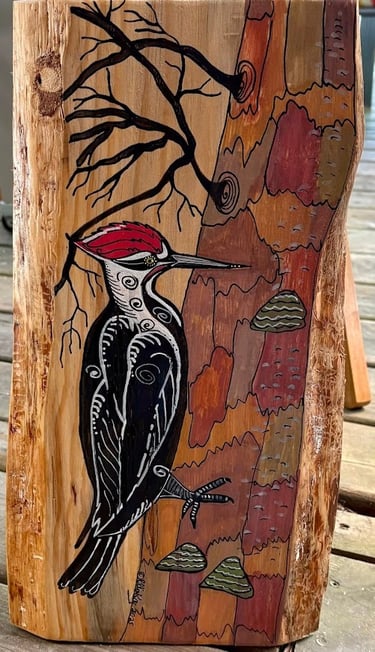
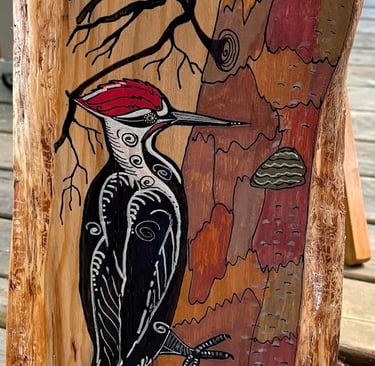
Woodpeckers — Beautiful and Menacing
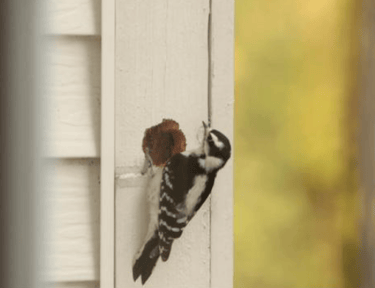
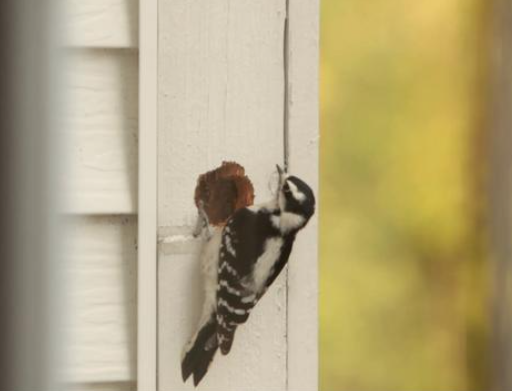
Woodpeckers bring color and charm to the Northwoods, but they’re also capable of turning cedar or log siding into a noisy renovation project you didn’t ask for. Learn how to spot early signs of damage, understand what attracts them, and take simple steps to keep these beautiful — yet menacing — drummers away from your cabin.
CABINEXPLORE
11/9/20255 min read
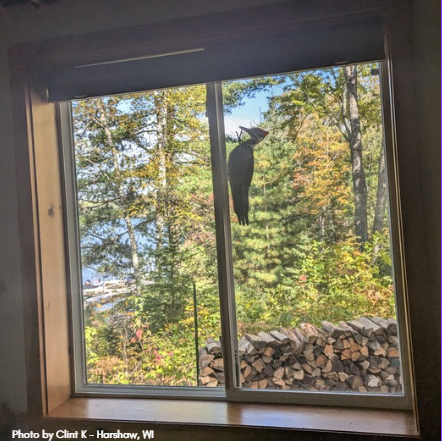
How to admire these forest drummers… without letting them eat your cabin alive.
It was Saturday morning - 7:30 a.m. - when the phone started buzzing on my nightstand.
Up here, a 7:30 a.m. call usually signals:
• A bear wandered where it shouldn’t
• A neighbor needs a spare set of hands (or coffee)
• Or Deb and BK want to talk weekend plans
This time, it was the third.
Sleepy-eyed, I answered.
Lots to catch up on - weekend plans, weather reports, Friday news.
Then, mid-sentence, BK blurts,
“I gotta go.”
No goodbye, no explanation - just gone.
Naturally, I assumed something serious.
Pot on stove boiling over? Propane alarm?
Nope.
Turns out, he was off to wage war with the woodpeckers.
“They’re back,” Deb sighed.
“Going after the cedar siding again… it’s a whole thing.”
Ah, woodpeckers: the unofficial alarm clock of the Northwoods.
Beautiful. Iconic.
And occasionally… destructive little demolition contractors.
BK — who, mind you, is a real contractor — came back to the phone, reporting that their house had become a regular woodpecker buffet. Over the years, they’ve tried a mix of strategies, some more successful than others — enough to know what’s worth a shot, and what’s better as a backup plan.
Some of the links below are Amazon affiliate links. If you purchase through these links, I may earn a small commission at no extra cost to you. Thanks for supporting Northwoods Vibes!
✅ Make Some Noise
Woodpeckers aren’t fans of unexpected commotion. A good old-fashioned clang of pots and pans, a loud clap of boards, or even a toy cap gun can get their attention — just don’t expect them to stay away forever. For a longer-term fix, reducing the hollow “drum” effect behind siding helps. Expanding foam sprayed into hollow areas can quiet that irresistible echo.
✅ Scare ‘Em With a Predator… or Two
Plastic owls, weighted with gravel, are a classic. Move them around now and then so the birds don’t realize they’re harmless décor. For extra oomph, pair them with predator-silhouette or reflective mobiles — a little visual chaos goes a long way. Grab a set on Amazon here.
✅ Let Rain Chains Do Some Work
Rain chains aren’t just pretty; the gentle clink and movement along corners can make woodpeckers think twice about lingering. They work best as part of a layered approach — charming for your cabin, helpful for your siding.
✅ Reflective Mirrors & Hawk Mobiles
Mirrored or reflective mobiles are one of the most effective tools we’ve seen. Catching light and movement, they make the birds feel like a predator is nearby — for about a year, anyway, until the woodpeckers start testing boundaries again. Cosmetic mirrors that amplify motion can also do the trick. Also on Amazon here.
In short: no single trick is perfect, but combining sound, motion, and visual deterrents gives you the best chance to keep your cabin walls intact.
That Saturday morning, BK was already plotting the next step, which sounded vaguely like a scene from Home Alone: reflective tape fluttering in the breeze, wind chimes jingling, maybe even a sonic decoy.
With a tired but amused sigh, BK said what all cedar-siding lovers eventually learn:
“Logs and cedar are gorgeous… but man, they sure do invite pests.”
Hard truth, delivered by someone who’s repaired more bird-drilled siding than he cares to admit.
The reality? It’s far easier to prevent woodpeckers than to convince them to leave once they’ve moved in. And trust me, anyone who’s ever had siding turned into Swiss cheese can back that up.
So… let’s get into how you can enjoy the beauty of the Northwoods — and the birds — without losing your cabin to a persistent drummer.
Why Woodpeckers Love Cabins
Once you know their motivations, the whole situation makes more sense.
Woodpeckers show up for three reasons:
Food — They hear insects under the wood.
Drumming — They’re making noise on purpose.
Nesting — They need soft wood to carve out a home.
Your cedar siding? Checks all three boxes.
1) Dinner is served.
If insects — carpenter ants, beetles, larvae — are chewing through your siding, woodpeckers consider that an open invitation. They’re not the cause of your problem… they’re the indicator light on your wildlife dashboard.
2) They like the sound.
Drumming helps them mark territory and flirt.
Hollow or thin siding can create the perfect outdoor speaker system.
3) They nest where it’s easy to dig.
Weathered or softer cedar is basically the Airbnb of bird real estate. One tap can become a studio apartment.
How to Know If You Have a Woodpecker Problem
It usually starts with something tiny — a little pile of cedar dust on the deck. A peculiar hole near an eave. That suspicious morning tapping you hoped was a branch… but wasn’t.
Look for:
✅ Round or oval holes (¼–1½")
✅ Repeated tapping in the same spot
✅ Damage concentrated at upper walls or corners
✅ Sawdust (yes, from your house)
✅ Nest material or droppings
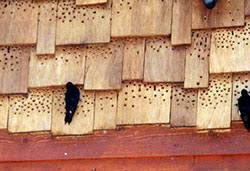
Rows of small holes usually mean: birds searching for bugs.
A big hole? Nesting.
If you hear drumming at dawn — especially spring or fall — that’s a sign they’re getting serious.
Is It Really Woodpeckers?
Other critters can make marks on siding, but woodpecker holes are neat, clean, and often patterned.
Small holes = food hunt
Large hole = new tenants
If a certain area keeps getting hit, odds are insects are living underneath.
Fun.
What To Do About It
Once the birds have found your place, you’ll want a game plan.
1) Check for insects
• If there’s food inside the siding, the birds will win every time.
• This may require pest control.
2) Repair damaged wood
• Open cavities invite more trouble.
• Patch, replace, seal.
3) Make your cabin “unappealing”
• All humane - and legal - options:
– Reflective strips
– Flash tape
– Bird-safe shiny disks
– Hanging objects that move
– Motion-triggered noise or water
– Temporary netting
• None are glamorous… but neither is living in a birdhouse.
4) Use barriers
• Fine mesh or hardware cloth installed a few inches from the siding can block access.
• Simple. Effective. Mildly unsightly — but temporary.
Prevention Tips
Future-you will be grateful.
✅ Seal cracks and gaps
✅ Refresh stain/paint
✅ Inspect attic + eaves
✅ Trim trees close to the structure
✅ Stay ahead of pests
You don’t need to turn your cabin into Fort Knox — just make it less interesting than the pine tree next door.
When to Call In Reinforcements
If you’ve got:
Nesting
Extensive damage
Insect infestation
Or a woodpecker with attitude…
…call a wildlife pro or contractor.
There’s no shame in getting help. BK can confirm.
A Final Word (from the Pines)
Woodpeckers are stunning.
Their colors flash against the trees; their drumming feels like a heartbeat of the forest.
We love them - just not carving holes in our living room wall.
So listen for the tap-tap-tap.
Do the early fixes.
Keep your siding sealed and your sense of humor handy.
Because here in the Northwoods, the wildlife is part of the neighborhood — even the ones with a beak for renovation.
And if nothing else… when your friend says he has to hang up unexpectedly, you’ll know:
It’s probably the woodpeckers.