Winter UTV Maintenance: 10 Smart Steps to Protect Your Ride
A quick, practical guide to prepping your UTV for winter — from fuel and battery care to the simple steps that save you headaches (and money) come spring.
EXPLORE
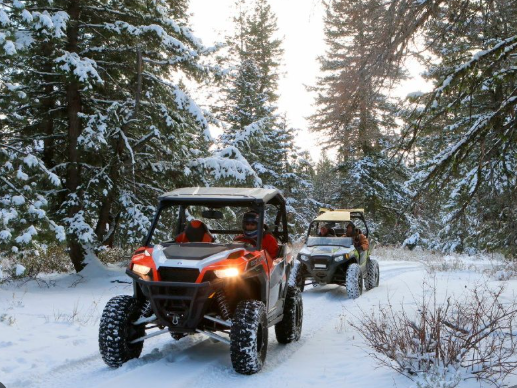
When temps start to dip and the trails get quiet, it’s time to shift gears from riding season to winter readiness. Whether you keep your UTV in use for snowplowing and ice fishing or tuck it away until spring, a little prep now saves big headaches (and repairs) later.
Follow these 10 essential steps to get your machine winter-ready — and make sure it’s primed for another great season of Northwoods riding.
1. Change and Top Off Fluids
Cold weather can thicken old oil and put strain on your engine. Start by changing the engine oil and filter, and check coolant and brake fluid levels. If you’re storing for the season, fill the fuel tank and add a fuel stabilizer like [Sta-Bil Storage Fuel Stabilizer [Affiliate Link]to prevent clogs and corrosion.
2. Battery Care
If your UTV won’t see much action, disconnect and remove the battery. Store it in a dry place and hook it up to a battery maintainer like the Battery Tender Junior [Affiliate Link]to keep it charged all winter long.
3. Tires and Suspension
Check tire pressure — cold air can drop PSI fast. Inflate to manufacturer specs and inspect for cracks or punctures. If storing your machine, move it occasionally or use a tire mat [Affiliate Link]to prevent flat spots.
4. Protect Your Brakes
Clean your brake calipers and pads to remove mud or grit that can freeze and cause wear. Check lines for leaks or corrosion and make sure your parking brake isn’t engaged during long storage — it can seize up in the cold.
5. Fuel System Prep
If you’ll ride through winter, keep your tank full and use a fuel additive formulated for cold weather, like Sea Foam Motor Treatment [Affiliate Link]. If storing, drain carburetors and fuel lines to prevent varnish buildup and make spring startups smoother.
6. Lights and Electrical Check
Inspect headlights, taillights, and wiring for wear — especially signs of rodent damage (they love a warm seat). A quick spritz of rodent repellent spray like Fresh Cab Botanical Rodent Repellent [Affiliate Link] or simply scatter small bags of Mouse Mix [Affiliate Link] to save you a lot of grief later.
7. Drivetrain & Belt Maintenance
Clean mud, sand, and debris from the drive belt and clutch housing. Check for wear or cracking, and apply belt dressing [Affiliate Link] if you’ll ride through winter to improve grip in cold temps.
8. Tighten Up the Details
Winter’s vibration from plowing or icy terrain can loosen bolts fast. Do a full once-over and tighten any loose nuts, bolts, or fasteners. Keep a compact torque wrench set handy for quick checks.
9. Winter Gear & Accessories
Make sure you and your machine are both dressed for the weather. Check your winch, tow straps, and snow plow mount for rust or wear. Replace any frayed gear and pack a cold-weather riding kit — insulated gloves, goggles, and a thermos never hurt.
10. Store Smart (If You’re Parking It)
For seasonal storage, clean your machine top to bottom. Lubricate all pivot points, cover the exhaust, and store it under a breathable UTV cover like this All-Season Cover [Affiliate Link]. Avoid plastic tarps that trap moisture.