The Smell That Wasn’t Pine: Propane Safety for Cabin Owners
A faint, mysterious smell in your cabin could be more than just “old wood” or septic issues — it might be a propane leak. Learn the key propane safety tips every Northern Wisconsin cabin owner should know to protect your home and family.
CABIN
11/7/20255 min read


🎁 FREE CHECKLIST: Stay Safe with Propane in Your Cabin – Grab it at the end of this blog! ✅
If you own a cabin in Northern Wisconsin, you know there are only three seasons: summer, winter, and fixing things so they don’t try to kill you.
This is a story about a smell — a mysterious, persistent, “maybe it’s fine?” smell — that turned out to be a major propane leak. And because I like you (and hope you like your cabin), I’m here to share what I learned so you don’t spend three years chasing ghosts and sanding your beautiful knotty pine like I did.
The Smell That Would Not Die
About four years ago, I bought a new-to-me cabin from friends and neighbors. I had been in it many times over the years. It was beautiful, sparkling clean (an understatement) — a dream.
And on move-in day… there was a smell.
Not strong.
Not constant.
Hard to describe.
A little… septic?
Maybe?
I started strong:
✅ Shampooed carpets
✅ Baking soda everywhere
✅ Flushed all toilets
✅ Filled drain traps
Victory… for about 10 minutes.
A few weeks later: smell.
A few trips after that: smell.
So — I called the plumber.
He suspected the septic vent pipe was too short and needed an extension.
Extend pipe → smell gone!
…for a while.
Then: smell returns.
I had the septic checked — all good. No pumping required. Still smelled.
YouTube/Reddit University suggested maybe the knotty pine was off-gassing. It sounded just plausible enough to cause trouble. So I started planning “the project”: sand and seal every wall in the house. I delayed only because it was a massive job.
And so it went… for three years.
Three. Years.
During that time, at least four professionals — plumber, septic crew, plus folks installing a propane Franklin stove — had been in the home, in the presence of the leak… and didn’t detect it.
Eventually, I resigned myself:
Arrive → open windows → smell disappears → carry on.
Not ideal, but it worked.
BK to the Rescue: Finally, a Nose That Knew
Then one day, my friend BK figured it out. He had smelled my cabin many times over the years. He didn’t smell septic — he smelled… mice. (That’s a whole different obsessive phobia, but rest assured: no mice.)
Recently, BK had been on a remodel job where someone accidentally hit a propane line.
“That smell,” he said, “is exactly what your cabin smells like.”
Cue new level of concern.
He immediately called someone to check the furnace and the propane Franklin stove. Met him at the cabin a day later, and the issue was solved while I was on a work trip.
Turns out, I had a massive propane leak inside the furnace room. Yes — the room I’d been inside hundreds of times, where the smell seemed different somehow, so I ignored it.
Leak fixed → smell gone → peace restored → I now take propane VERY seriously.
From one rural-cabin-owner-who-learned-the-hard-way to another, here are the top things you should know about propane safety — before you start refinishing your walls.
Top 7 Things Every Northern WI Cabin Owner Should Know About Propane Safety
1) A faint smell is still a smell — investigate
Propane is treated with a chemical called mercaptan so it smells like rotten eggs. It doesn’t always smell STRONG. It may not even smell eggy — BK thought mine smelled like mice.
If you smell anything that feels “off,” don’t wait three years. Trust your gut. Call a pro. Or several if needed.
2) Don’t assume it’s septic
Smells lie. Your nose is not a certified plumber.
If the septic checks out and you still notice a funk, widen the investigation.
3) Know where your propane lines are
Just like you know where the good fishing spots are, know where the tanks are, how lines run, and where the shut-off valves live. Label things. Future you will appreciate it.
4) Get your furnace & appliances inspected
Cabins have unpredictable temperature swings, critters, and humidity — all of which can mess with fittings, hoses, and seals.
An annual check is cheaper than:
• A ruined vacation
• A major repair
• Or… worse
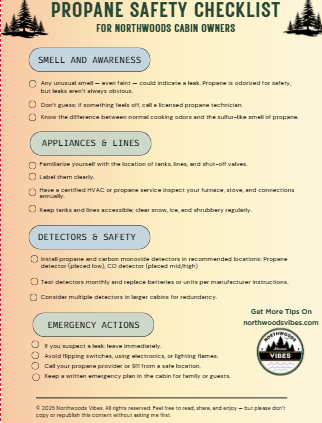
5) Install propane + carbon monoxide detectors
Propane = heavier than air → tends to settle low.
CO = odorless → a problem you won’t smell.
6) If you suspect a leak → act fast
If you smell something weird:
• Leave the building
• Don’t flip switches
• Don’t light matches (…you’d be surprised)
• Call your propane provider or 911
Better safe than sorry.
7) Propane appliances have their own normal smell
Cooking on propane has a light, outdoorsy scent.
If the smell is:
• Strong
• Persistent
• Eggy
• Random
That’s NOT just dinner.
Bonus Tip!
• Keep shrubbery + snow clear from the propane tank. It must be accessible for filling and repair.
The Big Takeaway
If something smells weird → notice it. Investigate it. Ask questions. Call a pro.
Do not spend three years sealing, vent-pipe-extending, septic-pumping, drain-trapping, and aromatherapy-strategizing while your furnace quietly leaks propane.
I’m grateful BK was the one who cracked the case — and that nothing catastrophic happened.
So if you ever walk into your cabin and think, “Huh… what’s that smell?”
Don’t just crack a window and move on. It could save your cabin — or your life.
Stay safe out there. And may all your Northwoods smells be of pine and fresh brewed coffee.


Download a FREE Propane Safety Checklist Now

Finding the Right Detector
I thought I understood “gas” because I have it at my primary home — but propane is a different beast. Natural gas is lighter than air and rises; propane is heavier and sinks, often pooling low to the floor or in enclosed spaces. That means leaks don’t behave the same way, can be harder to detect, and require different detector placement. It also means the safety norms I assumed transferred… didn’t.
If you’re new to propane — even if you think you know gas — it’s worth learning the basics so you can spot issues early and keep your cabin safe. Starting with detectors! Carbon monoxide detectors do NOT detect propane leaks.
▸ Carbon monoxide detector (mid/high)
→ Detects odorless CO poisoning
▸ You Need Both Detectors
And should replace them regularly. Think: Propane = explosion risk, CO = poisoning risk.
▸ Propane detector (install low)
→ Detects explosive propane leaks
I’ve got these detectors all set up in my cabin now, and they’re super easy to grab on Amazon. (Full disclosure: these are affiliate links — I may earn a tiny commission if you buy, but it doesn’t cost you a thing.)
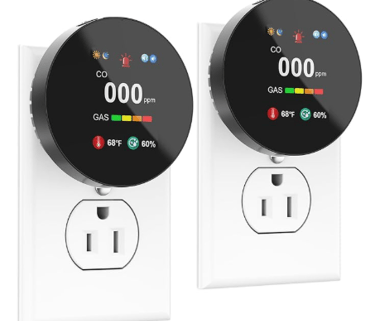
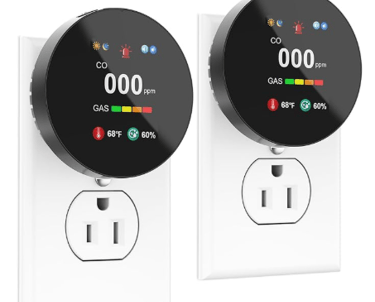
Plug-in propane detectors: See options here
Hard-wired carbon monoxide & smoke detectors: Check them out here
Plug-in carbon monoxide detectors: Grab them here
Think of it this way: cheaper than sanding your knotty pine… and way better for your safety.