Layer Like a Local: The Smart Way to Dress for Cabin Winters
My favorite winter cabin finds—durable, practical, and perfect for cold-weather living. From cozy layers to essential accessories, these picks get the job done without fuss.
CABINEXPLORE
11/15/20254 min read
Disclosure: As an Amazon Associate, I earn from qualifying purchases. I’ve personally used and loved every product linked in this article. Some links are affiliate links, which means I may earn a small commission if you make a purchase—at no extra cost to you. Thank you for supporting this site!
Winter at the cabin is magical. Snow blankets the pines, ice forms over the lake, and smoke curls from the chimney. But let’s be honest: it’s also cold, unpredictable, and sometimes messy. Even a quick walk to the shed can feel like an expedition if you’re not dressed for it. That’s why a well-planned cabin wardrobe is essential—and the key isn’t having every fancy gadget or endless layers. It’s about strategic layering that keeps you warm, flexible, and comfortable both outdoors and indoors.
The Layering Principle
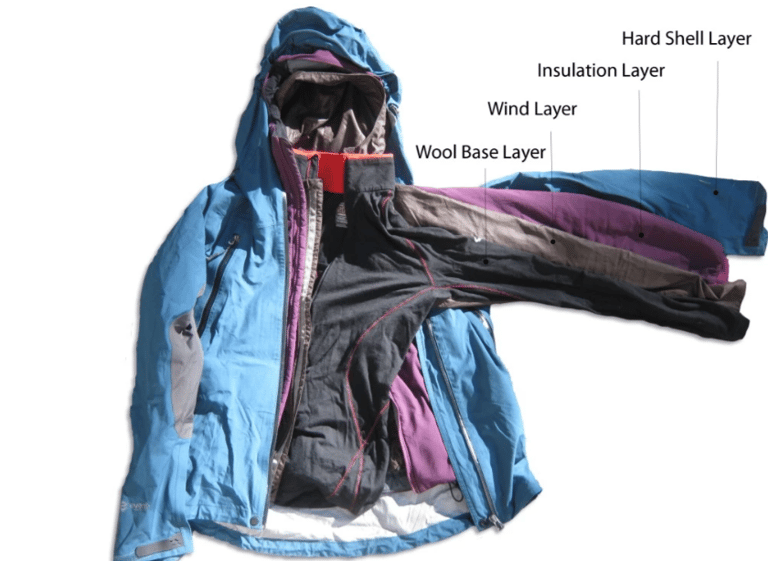
Layering isn’t just for jackets. It applies to everything from outdoor chores to casual cabin outings and indoor lounging. The Northwoods can throw extremes at you: -10°F outside in the morning, then 70°F inside a few minutes later. One outfit can’t cover it all, but layering gives you warmth without clutter.
The structure is simple:
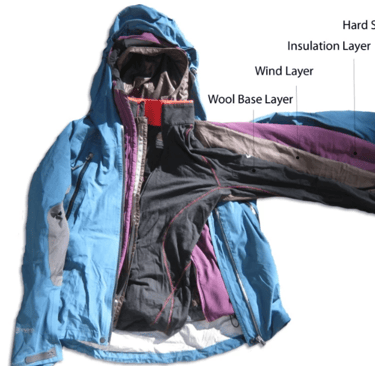
Base layer: moisture-wicking and warm, next to your skin.
Middle layer: insulation, usually fleece, wool, or light down.
Outer layer: protection from wind, snow, and moisture.
Everything else—pants, shoes, hats, and gloves—is chosen to fit into this framework.
Photo credit: Credit: McKenzie Long
Layering for the Outdoors
For snowshoeing, chopping wood, shoveling, or hiking, warmth and mobility are critical. I always start with a merino wool base layer ([shop here](affiliate link)) under a cozy fleece or wool sweater ([shop here](affiliate link)). These layers keep me dry, trap heat, and are surprisingly odor-resistant even after multiple days of wear.
Over that, a waterproof, windproof jacket [shop here] and and snow pants keep the cold and snow at bay. They’re lightweight enough to move freely but protective enough to handle deep snow and brisk winds.
For hands, I rely on fingerless gloves or convertible mittens [shop here] and battery operated handwarmers tucked into pockets or gloves [shop here]. Hats are essential too—thick wool for long outdoor sessions, lighter knits for quick errands. And don’t underestimate merino or thermal socks [shop here]; rotating them daily keeps feet dry and warm, which makes a world of difference.
Indoor Comfort: Layers for Living
Inside the cabin, layering is just as important. PJs, sweatpants, or cozy leggings are perfect for lounging, while a fleece pullover or hoodie ([shop here](affiliate link)) adds warmth for evenings by the fire or quick trips outdoors. Slippers with rubber soles keep toes safe from icy floors, and a blanket nearby is always a welcome extra layer.
The goal indoors is flexibility: you want to stay warm without overheating. A hoodie over PJs, a scarf on hand, and thick socks can make a cabin feel just as cozy as home.
Pants That Work Everywhere
Cabin pants have levels of purpose:
Cozy comfort: fleece lined leggings or sweats for lounging and morning coffee.
Functional layers: insulated or waterproof pants for dog walks, hauling wood, or snowy chores. (https://amzn.to/4oEYm61)
Everyday wear: jeans or black pants for quick errands or casual dinners; layer underneath if it’s cold.
Outdoor armor: snowpants for serious snow time, layered over a good base to stay warm and dry. [shop here]
Accessories Make the Difference
Sometimes it’s the small things that keep a cabin weekend comfortable:
Footwear: insulated boots with traction [shop here] make all the difference. Sorrell is what I've worn for years. Even with good traction, a set of crampons or microspikes [shop here] are best for for icy conditions. Inside, slippers with a rubber sole keep you cozy on wood floors.
Hats, scarves, gloves: thick wool for long outdoor sessions, lighter knits for short trips.
Handwarmers: tucked into gloves or pockets for -10°F mornings. shop here
Shawls or blanket scarves: versatile for indoor or outdoor use.
A thoughtful accessory strategy ensures you’re never uncomfortable, whether you’re outside for hours or just dashing to the garage.
Going-Out Attire: Practical Meets Presentable
Even at the cabin, you’ll sometimes step out for errands, casual dinners, or a quick trip to a local store. Supper club style is relaxed, so the key is simple: warm, functional, and fuss-free. Dark jeans or black pants pair easily with a long-sleeve top, and you can add a fleece or sweater if needed. A clean down jacket or windproof coat handles the cold outside, while lighter accessories—hats, gloves, scarves—let you adjust as temperatures shift. I personally like to have really cute winter hats - so they can stay on indoors and I don't have to mess with hat head. The trick is layering strategically so you stay comfortable, cozy, and casual without overthinking your outfit.
The Bottom Line
A winter cabin wardrobe is about freedom, comfort, and practicality. Layers are your best friend—they let you adapt to extreme swings in temperature. When your wardrobe works, you can focus on the joys of cabin life: sledding, snowshoeing, fireside reading, or quiet mornings watching frost on the lake.
Keep it simple, functional, and flexible. Invest in quality base layers, reliable outerwear, and accessories that protect your extremities. Minimize clutter, maximize versatility, and let your winter cabin wardrobe be a tool for living well in one of the most beautiful—and challenging—environments you’ll ever enjoy.